
Table of Contents
- Check Your Credit Reports and Identify Damage
- Review Reports for Inaccurate or Outdated Information
- Dispute Errors With Credit Bureaus Using a Credit Report Dispute Letter Template
- Create a Payment Plan and Bring Past-Due Accounts Current
- Reduce Outstanding Debt and Control Credit Use With Real Examples
- Understand Credit Repair Scams and Protect Your Rights
- How Long Does It Take to Rebuild Credit After Damage
- Frequently Asked Questions
Last Updated: October 6, 2026
Check Your Credit Reports and Identify Damage
The first step to repair damaged credit score is obtaining your actual credit reports from all three major bureaus: Equifax, Experian, and TransUnion. You’re entitled to one free report annually from each bureau through AnnualCreditReport.com, the official source authorized by federal law (Free Credit Reports).
When you review these reports, look for the specific information dragging your score down. Late payments, collections accounts, charge-offs, and high balances all appear here. Understanding the timeline of your damage matters because negative information doesn’t stay on your report forever, it ages out according to federal law, typically after seven years for most delinquencies and ten years for bankruptcy (Disputing Errors on Your Credit Reports).
Many people skip this step, assuming they already know what’s wrong. That’s a mistake. Errors on your credit report are more common than most realize, and only you can spot them. A collection account that isn’t yours, a late payment reported incorrectly, or an account still showing as open when you closed it, these inaccuracies can drag your score down unfairly. Document everything you find that looks wrong.
Pull your reports separately from each bureau rather than using a bundled service. The free official reports show exactly what creditors see, without the marketing noise of credit monitoring sites.
Review Reports for Inaccurate or Outdated Information
Once you have your reports, the next priority is identifying errors. Inaccurate information is one of the easiest things to fix when you’re working to repair damaged credit score. Look for accounts that aren’t yours, payments reported as late when you paid on time, balances that are incorrect, or accounts listed multiple times.
Check the account status for each entry. If an account shows as “open” but you closed it years ago, that’s an error. If a late payment is listed under your name but the account belongs to someone else, that’s identity theft or a reporting mistake.
Also verify the dates. Federal law limits how long negative information can remain on your report. Accounts that should have aged off, typically after seven years from the date of first delinquency, sometimes linger. If you spot an item that’s past the seven-year mark, note it.
Pay special attention to hard inquiries. These appear when you apply for credit and can affect your score. Legitimate inquiries from creditors you actually applied to belong there. Inquiries from companies you never contacted should be disputed.
The most common errors are duplicate accounts, incorrect payment history, and wrong balances. These three categories account for the majority of disputes that succeed.
Dispute Errors With Credit Bureaus Using a Credit Report Dispute Letter Template
Disputing errors is your legal right under federal law. When you find inaccurate information, you can file a dispute with the bureau reporting it. The bureau must investigate your claim within 30 days and either correct the error, delete it, or explain why the information is accurate.
Here’s a practical credit report dispute letter template you can use:
[Your Name]
[Your Address]
[City, State ZIP Code]
[Your Phone Number]
[Your Email][Date]
[Bureau Name]
Dispute Department
[Bureau Address]RE: Dispute of Inaccurate Information, Account [Account Number]
Dear Sir or Madam,
I am writing to dispute inaccurate information on my credit report. I have identified the following error(s):
Account: [Account name and number]
Error: [Describe what is wrong: late payment reported incorrectly, account not mine, balance incorrect, etc.]
Why it’s wrong: [Explain briefly: I paid this on time, this account is not mine, the balance shown is incorrect, etc.]
What should appear: [State what the correct information should be]I have enclosed copies of documentation supporting my dispute: [list any supporting documents: payment receipts, correspondence, etc.]
Please investigate this matter and correct my report within 30 days as required by law. Once corrected, please send me an updated copy of my report.
Sincerely,
[Your Signature]
[Your Typed Name]
Send this letter via certified mail with return receipt requested. Keep copies of everything. The bureau must respond within 30 days, and if they cannot verify the information is accurate, they must remove or correct it. If the bureau corrects an error, you can request they send the corrected report to any creditors who received your report in the past six months.
If the bureau doesn’t respond appropriately or you disagree with their findings, you have the right to add a consumer statement to your report explaining your side. This won’t change your score, but creditors will see your explanation.
Never pay someone to dispute errors for you. Credit repair companies often charge hundreds of dollars for work you can do yourself for the cost of certified mail. Disputing errors is free, doing it yourself protects you from scams.
Create a Payment Plan and Bring Past-Due Accounts Current
Past-due accounts are among the most damaging items on your credit report. If you have accounts that are 30, 60, 90 days or more past due, your priority is bringing them current.
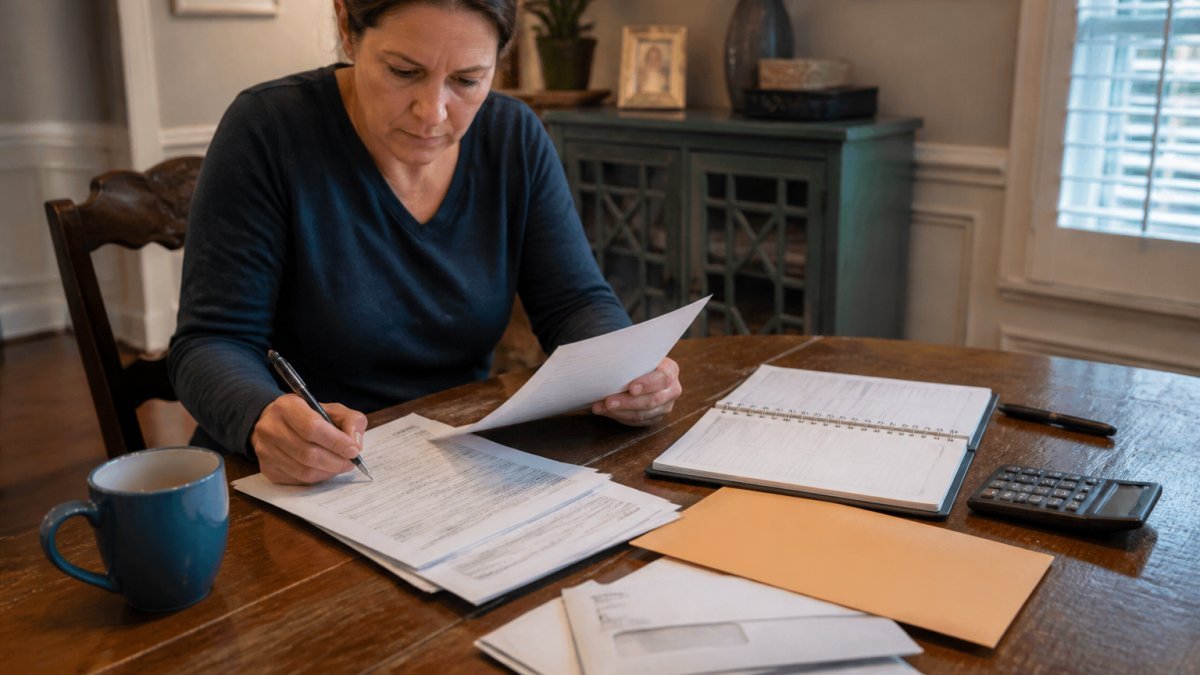
Start by contacting each creditor with a past-due account. Explain your situation and ask what it will take to bring the account current. Some creditors will accept a lump-sum payment to catch up.
If you have multiple past-due accounts, prioritize by impact. Accounts with the highest balances and longest delinquency should come first. Once an account is current, continue making on-time payments.
Create a realistic payment plan you can actually follow. If you commit to a payment arrangement and then miss it, you’ve made things worse.
Consider setting up autopay for at least the minimum payment on every account. Autopay removes the risk of forgetting a due date.
Reduce Outstanding Debt and Control Credit Use With Real Examples
Credit use, the percentage of your available credit you’re actually using, is the second-largest factor in your credit score, accounting for 30% of the calculation. If you have credit cards with high balances relative to their limits, lowering those balances improves your score.
Here’s how use works in practice. Say you have three credit cards:
| Card | Credit Limit | Current Balance | Use |
|---|---|---|---|
| Card A | $5,000 | $4,500 | 90% |
| Card B | $3,000 | $1,500 | 50% |
| Card C | $2,000 | $200 | 10% |
| Total | $10,000 | $6,200 | 62% |
Your overall use is 62%, which is high. Lenders view high use as a sign you’re stretched thin financially. Even if you’re making all your payments on time, a 62% use drags your score down.
The fix is straightforward: pay down balances. If you could pay Card A down to $1,500 and Card B down to $500, your use would drop to 20% total. This change alone can boost your score by 20 to 50 points depending on your starting position.
Prioritize paying down cards with the highest use first. Card A at 90% is doing more damage than Card C at 10%. If you have money to put toward debt reduction, direct it to the highest-use accounts.
Don’t close credit cards after paying them down. Closing an account reduces your total available credit, which actually increases your use percentage.
If you’re struggling to pay down balances, Credit Card Solution’s reviews of balance transfer cards can help you understand options for moving high-interest debt to lower rates. Consolidating multiple cards into a single payment also simplifies your payment management.
Understand Credit Repair Scams and Protect Your Rights
The credit repair industry attracts scams. If you’re searching for ways to repair damaged credit score, you’ll encounter companies promising to remove negative items, fix your score quickly, or guarantee results.
Here’s what legitimate credit repair can and cannot do: It can dispute inaccurate information, but so can you, for free. It cannot remove accurate negative information before it ages off naturally. It cannot create a new credit identity or hide your past.
Common scam tactics include charging upfront fees before doing any work (illegal under federal law), promising to remove accurate negative items, claiming they have special relationships with credit bureaus, or asking you to dispute accurate information you know is correct.
Your rights are protected by the Credit Repair Organizations Act (CROA), a federal law that requires credit repair companies to give you a written contract, a three-day cancellation period, and a detailed explanation of what they’ll actually do.
The reality: legitimate credit repair takes time. You can dispute errors yourself for free. You can negotiate with creditors yourself. You can pay down debt yourself. These actions work.
If a credit repair company asks you to dispute accurate information or create a new credit identity, they’re asking you to commit fraud. This will result in criminal charges and far worse credit damage than you currently have.
How Long Does It Take to Rebuild Credit After Damage
When you’re working to repair damaged credit score, timeline matters.
The answer depends on what damaged your credit and how aggressively you address it.
Here’s a realistic timeline for different scenarios:
Late payments brought current: 30-90 days to see initial improvement; 6-12 months for significant recovery.
High balances paid down: 30-60 days after the payment is reported to the bureaus. Credit card companies typically report balances monthly, so timing matters.
Collections account paid: 3-6 months if you negotiate a “pay for delete” (paying in exchange for removal).
Charge-offs and defaults: 12-24 months of on-time payments before you see substantial improvement.
Bankruptcy: 3-5 years for Chapter 13 (repayment plan); 5-7 years for Chapter 7 (liquidation). After the bankruptcy is discharged, improvement accelerates.
The common thread: time and consistent on-time payments. Every month you make on-time payments, the impact of past damage lessens.
Don’t expect dramatic overnight improvement. Credit scores are built on history, and history takes time to accumulate.
Repairing your credit takes discipline, but it’s entirely within your control. Check your reports for errors, dispute inaccuracies, bring past-due accounts current, pay down balances, and maintain on-time payments.
Frequently Asked Questions
How long does it take to repair a damaged credit score?
The timeline depends on what caused the damage. Late payments typically remain on your credit report for seven years but have less impact after two years. Collections accounts, charge-offs, and bankruptcy can take longer to recover from. Most people see meaningful improvement within 6-12 months of consistent on-time payments and reduced debt. Your score may improve faster if errors are disputed and removed, or if negative items age and fall off your report.
What’s the first step when repairing your credit?
Start by checking all three of your credit reports from Equifax, Experian, and TransUnion at annualcreditreport.com, which is free under federal law. Review each report for errors, inaccurate account statuses, or fraudulent accounts. Identify what damaged your score: late payments, high balances, collections, or identity theft. Understanding the specific issues lets you prioritize which ones to fix first and dispute.
Can you dispute an error on your credit report?
Yes. Under the Fair Credit Reporting Act (FCRA), you can dispute any inaccurate or unverifiable information directly with the credit bureau. Send a written dispute letter explaining what’s wrong and why. The bureau must investigate within 30 days and remove the item if it cannot verify it. You can also dispute directly with the creditor or information provider. Keep copies of all correspondence and follow up if the error isn’t corrected.
Will my credit score drop further if I start paying down debt?
Your score may dip slightly in the short term when you apply for a balance transfer card or consolidation loan because of a hard inquiry and new account. However, this temporary dip is worth it. As you pay down balances, your credit utilization ratio improves significantly, which boosts your score over time. Consistent on-time payments and lower debt levels create much faster improvement than avoiding action altogether.
How do credit repair services differ from doing it yourself?
Credit repair companies cannot remove accurate negative information faster than you can yourself. Many charge hundreds of dollars for work you can do free. Be cautious of scams that promise to delete items immediately or charge upfront fees before delivering results. Legitimate help often comes from nonprofit organizations that offer free or low-cost budgeting and debt management advice without false promises.
What’s a good credit utilization ratio to maintain?
Aim to keep your credit utilization below 30% of your total available credit. For example, if you have a $5,000 limit, keep your balance below $1,500. Even better is staying under 10%. This shows lenders you can manage credit responsibly. High utilization signals financial stress and damages your score. If you have multiple cards, the ratio applies to both individual cards and your total credit across all accounts.


